Journal → The SHED Project
Projects and spacesThe SHED Project: Mobile Galleries and Independent Spaces
Editorial team · 6 min read
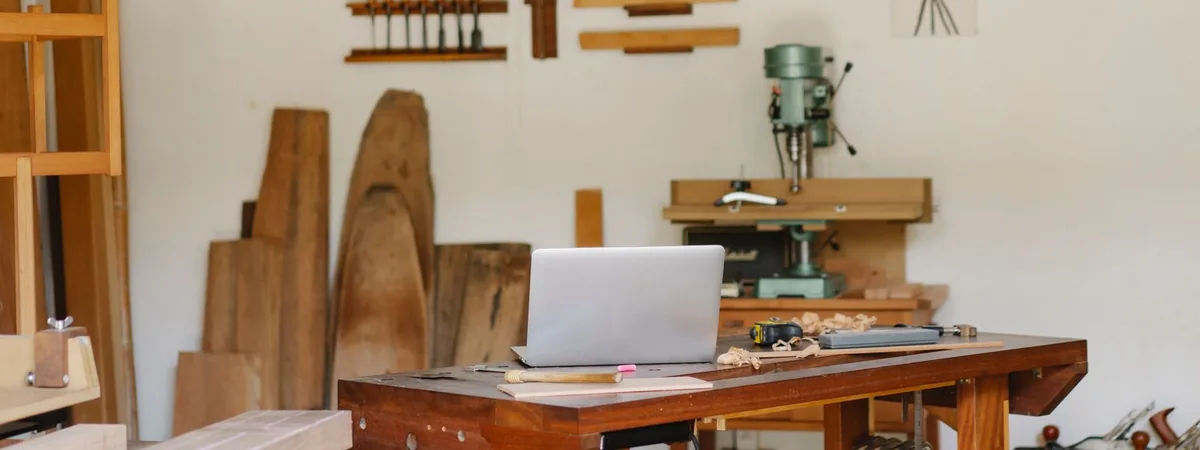
Explore The SHED Project as a phenomenon in Manchester's art scene. Discover how mobile galleries and independent spaces shape the city's art scene.
What Is The SHED Project?
The SHED Project is treated here as a phenomenon: a way of making art that moves between spaces, works in temporary conditions and depends on people willing to build a programme without a fixed home. Seen this way, it belongs to a longer history of mobile and pop-up art, in which a shed, a van, a shipping container or a borrowed room becomes a gallery for as long as it is needed.
The name itself points to the project's central idea. A shed is a modest, adaptable building, often associated with work, storage and making things. A project built around such a structure suggests that art can be made and shown with ordinary means, and that the value of a space lies in what happens inside it rather than in its architecture.
This page sets out the concept and the questions it raises. Specific details about the project's programme, locations, people and dates are added only when the editorial team has confirmed them with the project itself. Until then, the page describes the idea of the project rather than claiming a record that cannot be checked.
The Rise of Mobile Galleries in Manchester
Mobile and temporary galleries use spaces that are not permanent venues. They may appear in disused buildings, in community centres, in festivals or in the back rooms of other businesses, and they may move on when a project ends or when the building is needed again. Their appeal lies in flexibility: they can reach audiences outside the usual gallery districts and test ideas without a long-term commitment.
The rise of such galleries is closely tied to the conditions of the city. Rents, the availability of buildings and the cost of running a permanent space all push artists towards temporary solutions. A mobile model can spread a small budget across several locations, bring work to people who would not visit a gallery and keep a programme in motion while its base is uncertain.
These galleries also face the risk of becoming a substitute for stable infrastructure rather than a complement to it. A review of mobile galleries asks whether a project builds lasting relationships with artists and audiences, or whether it depends on the energy of a few people who will eventually move on. This question matters for the artists who show there, who need to know whether a programme will be around when their next work is ready.
Independent Exhibition Spaces Beyond the Mainstream
Independent spaces show work that may not fit the commercial programme of a private gallery or the scale and institutional expectations of a large museum. They can give space to artists at early stages, to unfamiliar forms and to subjects that are not yet widely discussed. This position is valuable, but it also makes such spaces fragile, since their funding and their attention often depend on a small number of people.
This section places The SHED Project among other spaces of this kind. The comparison is not meant to rank them. Each space has its own history, audience and way of working. What they share is a willingness to make a programme from limited means and to treat the visitor as someone who can engage with uncertain work.
Looking at independent spaces over time shows how a local scene keeps its variety. When some spaces close and others open, the balance of the scene shifts. A reader who follows several spaces can see which kinds of work find a home, which do not, and what those gaps suggest about the city's art.
How The SHED Project Supports Local Artists
Support for artists in temporary projects takes many forms. It may be exhibition space, access to equipment, a fee, a chance to meet other artists, help with installation or a public event where work can be discussed. Each form has a different value, and a project may offer some of them and not others.
A useful account of support asks what the artist receives, what the artist gives in return and how the terms are agreed. Some projects offer artists full control over their work, others ask for participation in building the programme. Both approaches can be generous, and both can place demands on artists who are already short of time and money.
This section describes forms of support only as far as the editorial team can confirm them with the project. Where support is not documented, the page does not describe it. Readers who want to know whether a project can help them should ask the project directly and read the terms in writing before agreeing to take part.
Challenges Facing Pop-Up Art Spaces
Temporary spaces face a set of problems that permanent galleries rarely have to solve in the same way. Leases are short, so the space may be available for weeks or months and then disappear. Audiences need to be found again for each new location, which takes time and money. Moving work and equipment between sites adds cost and risk, and insurance and safety requirements can be complicated for buildings that were never meant for public display.
These pressures shape what a pop-up can show. Projects often favour work that is easy to transport, install and remove, and they may avoid fragile or very large pieces. Their programmes can be shaped by the building itself: its light, its floor, its neighbours and its opening hours. A critical reading of a pop-up show should take these constraints into account rather than judging it as if it had the resources of a permanent venue.
The most serious challenge is continuity. A temporary space can build a loyal audience and a network of artists, and then lose both when it moves or closes. Projects that last often find ways to keep a record of their work, to maintain contact with participants and to hand over some of their knowledge to others in the scene.
The Future of Temporary Art Venues
Temporary venues depend on the buildings available to them and on the people who run them. Their future is therefore uncertain by design, but that uncertainty can also be a source of energy. A project that knows it will move can plan its programme around that movement, using each location for what it offers and leaving behind a record for the next group to use.
This section considers what helps such projects last and what brings them to an end. Stable funding, a reliable network of artists and audiences, and a clear sense of purpose all contribute to survival. Burnout among the people who organise the work, sudden loss of a building and the disappearance of small grants are common reasons for closure. Many projects end for a mix of these reasons rather than a single one.
The future of temporary venues is also a question about the wider scene. If the city relies on such spaces to show emerging work, it needs a way to support them that does not depend only on goodwill. Discussion of this question is part of the journal's work, and readers who run or use temporary spaces are welcome to contribute their own experience to it.
In this section
SHED-FEST: Independent Art Festivals in Manchester
SHED-FEST is described here as an independent art festival in Manchester.
Projects and spacesThe SHED Project: Mobile Gallery and Its Role
The SHED Project takes its name from a modest, adaptable building.
Projects and spacesThe SHED Project: History and Influence
The SHED Project is treated here as a phenomenon in the city's art scene: a mobile and temporary way of making and showing art.
Frequently asked questions
Is The SHED Project still active?
Activity is not assumed here. The editorial team confirms the current status of a project before a date or event is given.
How can artists get involved with mobile galleries?
Send a short message through the contact page describing your work. The editorial team will reply if a suitable opportunity exists. Sending a message does not guarantee an exhibition.
Editorial view
The SHED Project is treated here as a question about how art can move. A project that changes its location and its form asks what a gallery is for when it is not a fixed building. The editorial team's view is that such projects matter most when they leave something behind, whether a record, a set of relationships or a way of working that others can take up.
There is also a risk that a temporary project becomes a myth before it has been understood. The team therefore reads it with some caution, asking what was actually shown, who took part and what the audience did with the experience. A useful account is one that could be checked against a programme, a list of participants or a conversation with the people who ran it.