Journal → The SHED Project
Projects and spacesThe SHED Project: History and Influence
Editorial team · 3 min read
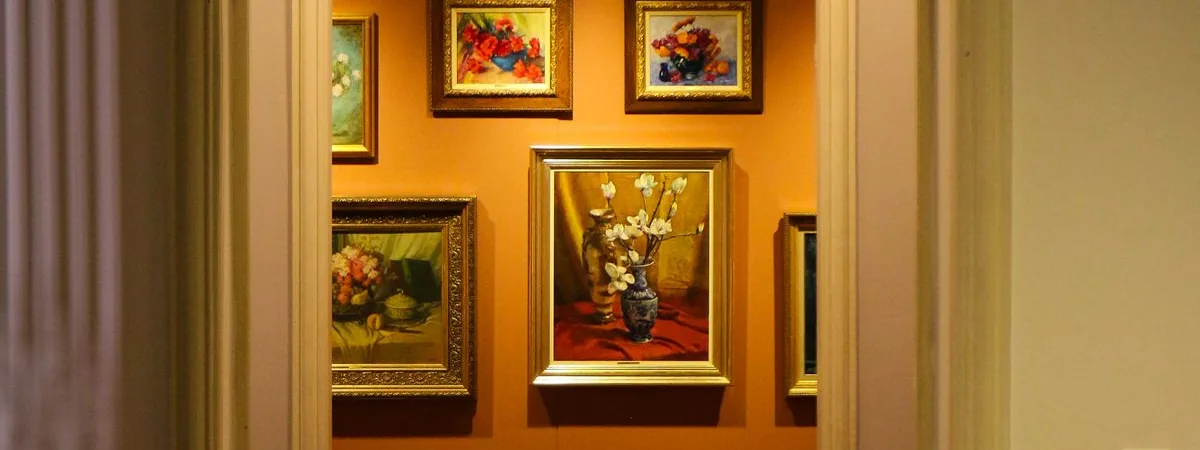
Detailed review of The SHED Project and its influence on Manchester's art scene. Independent review of its development and contribution to the scene.
The SHED Project: A Detailed History
The SHED Project is treated here as a phenomenon in the city's art scene: a mobile and temporary way of making and showing art. A detailed history of such a project would need dated records of its activities, locations and participants, and this journal does not yet hold a verified set of those records. What can be described with confidence is the idea behind the project and the conditions that make projects of this kind possible.
Temporary art projects tend to develop in stages. They begin with a small group testing an idea in a borrowed space, move to a series of short projects, and then either build a stable base or end. Where the SHED Project fits in this pattern is a question for further research, and the journal will add confirmed details as they become available.
Key Milestones and Achievements
Milestones are the points at which a project changes direction or reaches a new stage. For a mobile project they can include the first public use of a space, the start of a longer programme, the move to a new location or the completion of a significant series of events. Achievements are harder to define, because a project may be important for reasons that do not appear in a formal record.
This journal does not list milestones or achievements here, since each one would need a dated and verified source. The approach is to describe how the project's work can be understood, and to publish specific milestones only when the editorial team has confirmed them with the project.
Impact on Manchester's Art Community
Projects that move between spaces can affect a community in ways that are not always visible in exhibitions. They may bring artists into contact with one another, introduce audiences to new kinds of work or give people a reason to visit parts of the city they would not otherwise see. Their influence is often indirect and cumulative.
Assessing impact is difficult without evidence from artists, visitors and organisers. This page describes the kinds of impact a mobile project can have, rather than claiming a particular effect for the SHED Project. Readers who took part in the project's activities are welcome to share their experience with the editorial team.
Collaborations and Partnerships
Temporary projects often depend on partnerships: with building owners, with arts organisations, with local groups and with individual artists. Such partnerships can provide space, equipment, funding or audiences that a project could not obtain alone. They also bring obligations, and the terms of each partnership shape what the project can do.
This journal does not name specific partners for the SHED Project here, because the relationships have not been confirmed with the people involved. Where partnerships are documented, the editorial team will describe their terms and their effect on the work.
The Future of The SHED Project
The future of any temporary project is uncertain by nature. A mobile project may continue, change its form, pause or end. Its future depends on funding, on the availability of spaces, on the health of its community and on the decisions of the people who run it. Speculation about the future is less useful than a clear account of the present.
The journal will report on announced plans for the project when they are confirmed by the people running it. Until then, readers should treat this page as a description of the project's concept and not as a forecast of what will happen next.
Frequently asked questions
What is The SHED Project?
The SHED Project is described on this site as a mobile and temporary gallery that works in shared and borrowed spaces. The journal's pages set out the concept and the questions it raises, and specific details are added once they are confirmed with the project.
How has The SHED Project influenced local art?
Projects of this kind can influence a local scene by bringing artists and audiences together and by showing work outside fixed venues. The size of that influence is hard to measure, and this journal describes the kinds of effect such projects can have rather than claiming a specific one.
Editorial view
A project described as a phenomenon invites a particular kind of reading, one that looks at what it reveals about the conditions of art rather than only at what it shows. The editorial team's view is that the SHED Project matters as an example of how art can be made with modest means, in borrowed spaces, and with a clear willingness to move on.
The team also thinks that such a project should be judged by what it leaves to others. A temporary venue that trains people, keeps records and shares its contacts contributes more to a scene than one that only produces striking events. Readers who want to judge the project should ask those questions of it, and the journal will try to answer them where the evidence allows.