Journal → Artists
Artists and practicesContemporary Painting in Manchester: Reading a Picture in Its Scene
Editorial team · 4 min read
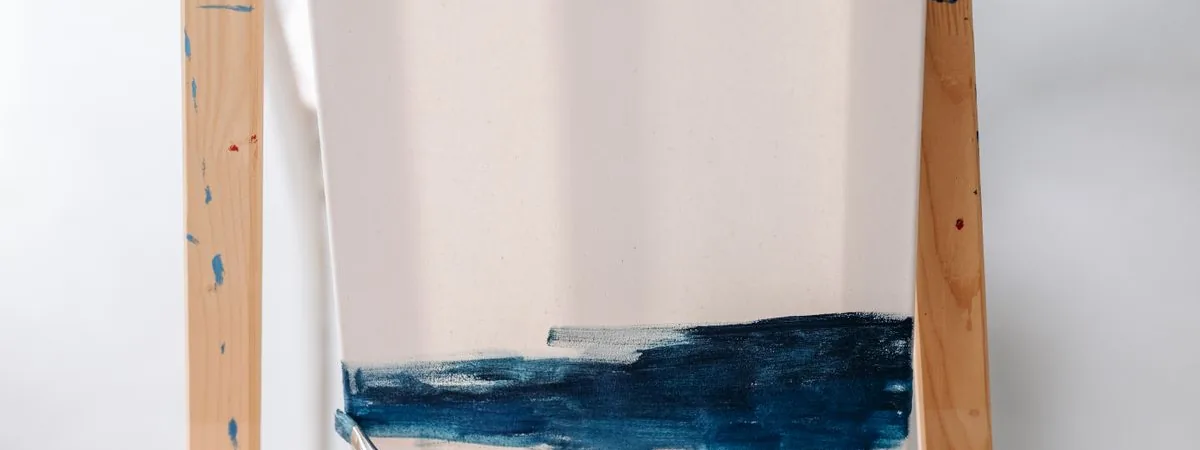
A general editorial guide to contemporary painting in Manchester: current tendencies, working practices and how to read a painting in the context of the local scene. No biography of any individual artist.
Key Movements in Manchester's Contemporary Art
Movements are easier to describe after they have passed than while they are happening. In the present, what looks like a movement can be a shared set of conditions: similar studio spaces, similar sources of funding, similar audiences. This page describes groups of practice as a reading of the scene, not as a settled list of schools.
A useful test for any grouping is whether the painters involved would recognise the description. Where they would not, the grouping is probably the critic's invention. Where they would, it can help a reader see patterns that individual exhibitions hide.
Painting Practices Among Manchester Artists
Painting in the city covers a wide range of approaches: figurative work that looks at streets, rooms and people; abstraction that works through colour and gesture; and experimental surfaces that test what a painting can be made of. Many painters work in small rooms and must plan large works around the space they have.
A review or column on painting can ask the same questions of any work. What decisions about process are visible? How many layers, how much paint, how fast or slow was the handling? What is the scale for, and what does the body have to do to see the whole picture? These questions do not need a biography to be answered.
Tendencies in Contemporary Painting
Several tendencies recur in contemporary painting in many cities, and they are worth naming with care. Painters often return to the image as a record of a place, a moment or a routine. Others treat painting as an object, with attention to the edge of the canvas, the stretcher, the wall and the light that falls on the surface. A third group uses painting to work through material questions about pigment, support and ground.
These tendencies are not local inventions, and they do not belong to one city. A reader should therefore ask, for any painting shown in Manchester, which tendency it draws on, and whether the local setting changes what the painting means.
How Context Shapes a Painting
A painting is seen in a room, under a particular light, next to other works and beside a particular audience. The room can make a picture seem bold or fragile. The neighbours can sharpen or soften its effect. In a city with many small and temporary spaces, a painting may be seen in several settings over its life, and each setting changes the reading.
The local scene adds further context. Studio arrangements, the presence of universities and independent project spaces, and the networks through which painters meet all shape which kinds of painting are made and shown. A critic who knows these conditions can explain why a particular picture appears in a particular place.
Reading a Picture in Its Scene
A practical method for reading a painting in context has three steps. First, describe what is visible without interpretation: the subject, the palette, the composition, the marks. Second, consider how the painting uses its physical form: the support, the frame or its absence, the way the picture meets the wall. Third, place it in the scene: what it responds to, what it resists and what audience it seems to address.
The result is a reading that can be tested. Another viewer can check the description, question the placement and offer a different account. That openness is part of what makes criticism useful, and it keeps the discussion anchored in the work.
Painting and the City's Changing Spaces
Changes in the city's buildings, rents and cultural budgets affect painting as much as any other practice. A painter who loses a studio may change the scale of the work. A venue that closes may remove a place where painting was shown. A new project space may open a different kind of conversation. Tracking these changes gives a reader a way to understand why the scene looks as it does at a given moment.
This page does not record specific closures, openings or prices, because those change quickly and need dated sources. Readers who want current information should look at the venues and project spaces directly, and the journal's news section will report confirmed changes.
A Note on This Page
This page is a general editorial piece. It does not describe one artist's career, and it makes no claim about the working life, exhibitions or background of any named person. Where the journal publishes material about a specific painter, it will do so in a separate piece with its own sources.
Editorial view
Painting in Manchester is best read as a conversation between a picture and the room that holds it. The editorial team's view is that a painting gains meaning from its scale, its light, its neighbours and the audience it finds, and that a local critic should be explicit about which of these shapes the reading and which are merely background.
The team also thinks that general accounts of a scene can hide as much as they reveal. Tendencies are useful only if they are checked against actual pictures and actual exhibitions. This page sets out a way of reading and invites readers to test it against the work they see, rather than offering a verdict on any single painter.
Frequently asked questions
Is this page about one artist?
No. The page describes painting as a direction in Manchester's contemporary art. It does not give a biography, a list of works or a list of exhibitions for any individual artist, because no verified source for such details has been checked for this page.
How should I read a painting in a local scene?
Start with the work itself: the surface, the scale, the handling of paint and the relation between the image and its frame or wall. Then look at the local context: where the painter works, what kinds of shows the city offers, and which other practices the painting seems to answer.